




Hearken to the interview with Laurie Rabinowitz and Amy Tondreau (transcript)
Sponsored by Alpaca and The Faculty Me Podcast
This web page comprises Bookshop.org hyperlinks. While you make a purchase order via these hyperlinks, Cult of Pedagogy will get a small share of the sale at no additional price to you. What’s the distinction between Amazon and Bookshop.org?
Over the previous few a long time, vital strides have been made within the subject of particular training to make each classroom a spot the place college students, no matter capability or incapacity, can attain their full potential. Most of that work has been pushed by a give attention to entry — working to make sure that college students with disabilities aren’t left behind academically. And whereas that is clearly an necessary aim, it has generally been seen via a deficit lens, the place there’s one default method of doing college, after which there are methods for serving to college students with disabilities match higher into that default method. Whereas these efforts have succeeded in enhancing entry, they nonetheless place disabled college students as missing indirectly.
What’s been lacking is an method that affirms and sustains incapacity as a supply of identification and pleasure.
That’s the main focus of my dialog with Amy Tondreau and Laurie Rabinowitz, authors of the ebook Sustaining Cultural and Incapacity Identities within the Literacy Classroom, Ok-6. Drawing from their very own experiences as educators, in addition to the voices of over 20 classroom academics, their work explores the idea of disability-sustaining pedagogy, an method that goes past entry to assist college students with disabilities take pleasure in who they’re. Whereas the ebook focuses totally on literacy instruction on the elementary stage, it provides useful insights and practices for anybody who teaches or works with disabled college students.


On the podcast, we discuss how this concept builds on the framework of culturally sustaining pedagogy, what it means to deal with incapacity as a cultural identification, and the precise issues academics can do to create lecture rooms the place disabled college students really feel, as Tondreau places it, “absolutely seen and absolutely recognized.” You may pay attention within the participant above, learn the transcript, or check out the abstract under.
Background and Overview of Incapacity-Sustaining Pedagogy
The framework for disability-sustaining pedagogy builds on the work of Gloria Ladson-Billings, who launched the thought of Culturally Related Educating, and Django Paris and Samy Alim, who expanded that into Culturally Sustaining Pedagogies.
Culturally sustaining pedagogy, Tondreau explains, “asks us to consider plenty of completely different identities — racial identities, linguistic identities, spiritual identities — and incapacity is usually included in that checklist. Nonetheless … it was hardly ever taken up in concrete examples. So once we had been seeing analysis research or classroom examples of culturally sustaining pedagogy, they tended to give attention to race or language or tradition, and incapacity wasn’t form of fleshed out. And so we actually began to consider what would it not appear to be for us to deal with incapacity as a cultural identification that was worthy of being sustained. As a result of so usually in colleges, we’re nonetheless counting on a medical mannequin of incapacity. We have to change from a deficit lens — what’s improper with these youngsters — to an asset lens — what’s proper with these youngsters. And so actually serious about how will we maintain the cultures of incapacity and disabled methods of figuring out and being.”
To fill that hole, Tondreau and Rabinowitz adopted Ladson-Billings’ method of studying from academics who shared the identical identities as the scholars they served. They drew from interviews with disabled academics and developed a framework with three key tenets:
- Transferring past entry to a give attention to cultural identities
- Serving to college students establish disabled adults who’ve realized easy methods to leverage their abilities
- Enthusiastic about how non-disabled folks can study from disabled methods of figuring out and being
They advocate the next practices for constructing disability-sustaining lecture rooms.
Practices that Affirm and Maintain Incapacity Id
1. Incapacity-Affirming Dialogue
One of the crucial highly effective issues academics can do to be extra disability-sustaining is to create house for college kids to speak about their very own identities; this consists of their disabilities.
“You will be speaking about that cultural identification,” Rabinowitz explains, “it’s also possible to be speaking concerning the various ways in which a neurodiverse mind would possibly work or an attention-grabbing, cool, sophisticated physique would possibly work.”
These conversations don’t simply affirm college students with disabilities; they deepen everybody’s understanding of how studying occurs. “It’s sort of like a ‘how we study’ kind of instruction,” she says, “after which use that to create the toolbox of scaffolds that exist in your classroom.”
However this type of dialogue have to be constructed on belief. Not each scholar is keen to speak about their identification, and that’s okay. “Some college students are in the course of a complete class lesson elevating their hand, leaping in … they need to share about these identities,” says Tondreau. “Different college students don’t really feel snug with that. So a part of it’s constructing relationships together with your college students and figuring out who feels snug with what.”
For college kids who don’t need to discuss straight about their incapacity, the dialog can nonetheless occur extra broadly. “In disability-sustaining lecture rooms, that’s form of an ongoing dialog for everyone,” Tondreau says. College students mirror collectively on what methods help their studying, what instruments assist them focus, and what challenges they’re dealing with, with out anybody being singled out. “By folding in these ongoing conversations,” she explains, “it turns into form of a normalized a part of the dialog, identical to we’re speaking concerning the content material that we’re studying or the abilities that we’re studying.”
2. Select or Modify Supplies for Incapacity Illustration
In most lecture rooms, incapacity is both invisible or diminished to a single token instance — usually a historic determine like Helen Keller. To be disability-sustaining, academics must transcend single examples. “Fairly often, incapacity is invisible in curriculum,” Tondreau says. “Or there is perhaps one textual content. However there’s little or no modern illustration that exhibits disabled folks form of going about their on a regular basis life.”
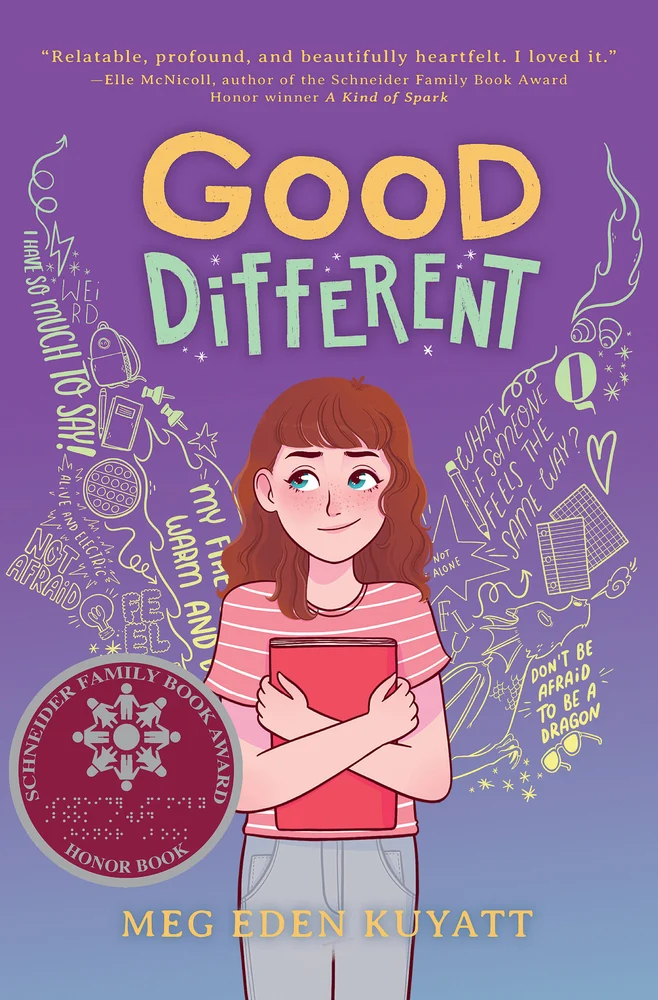
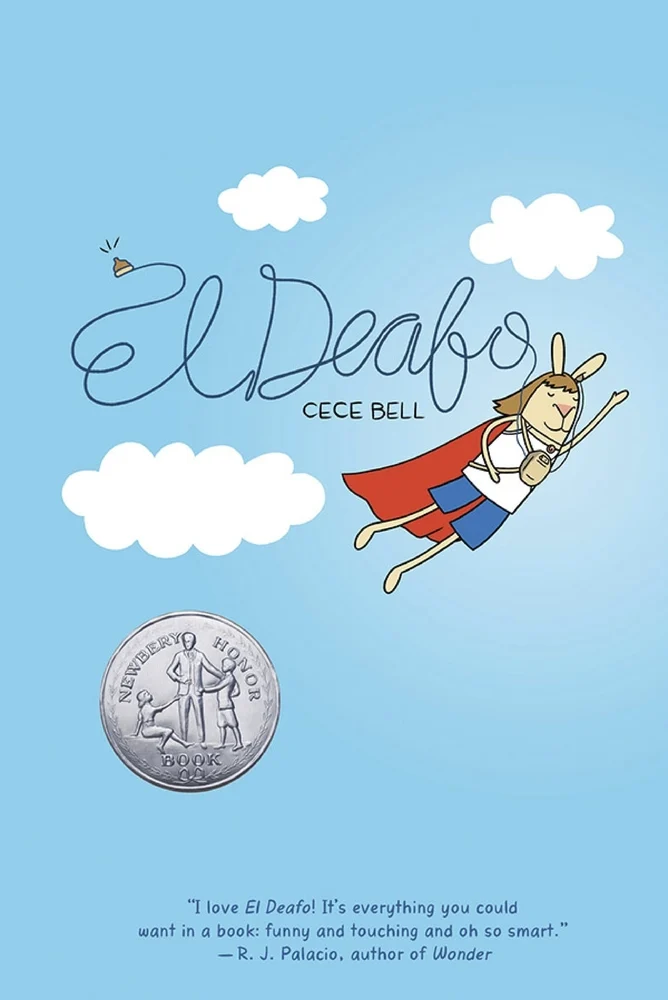
One method to deal with that is to incorporate extra books by disabled authors. “Books like Good Completely different by Meg Eden Kuyatt or El Deafo by Cece Bell present characters of their on a regular basis life in modern settings,” Tondreau says. “Bringing voices of disabled authors into your classroom is a method to give these identities house within the curriculum.”
Even if you happen to’re locked right into a scripted curriculum, you continue to have choices. “If that’s the scenario you’re in,” Tondreau says, “one of many methods you may invite incapacity illustration into your curriculum is inviting college students to rewrite or remix textual content.” Drawing on remix practices from social media, like dueting TikToks or stitching Reels, academics can encourage college students to remodel present texts to make them extra inclusive.
They’ve even completed this with phonics supplies. “Oftentimes phonics curriculum comes with sound playing cards that embrace information phrases,” Tondreau says. “Together with pictures of your college students making these [sounds]…asking your college students what the information phrases might be,” could make the supplies way more reflective of your classroom’s actual variety.

3. Create Affinity Golf equipment or Mentoring Applications
“Most of the people that contributed to this ebook can’t identify somebody of their life that was a mentor for them as somebody with a incapacity who additionally had a incapacity,” Rabinowitz explains. “And plenty of of them can’t identify a incapacity neighborhood that they’re part of.” These sorts of relationships, she argues, are important not just for studying, however for belonging.
Colleges might help fill this hole by creating intentional alternatives for connection. “You may create affinity golf equipment in colleges or mentoring packages,” Rabinowitz says, “the place an educator with a incapacity or an educator who’s an ally to college students with disabilities can have an area collectively the place you discuss incapacity neighborhood, tradition, pleasure.”
Even scholar authorities can get entangled. “You may have alternatives on a scholar authorities…for a consultant for incapacity entry,” Rabinowitz suggests. “Who’s the 504, ADA, IDEA consultant on scholar authorities?” Simply as colleges have roles for athletic or tutorial management, they will carve out house for incapacity advocacy, too.
These buildings aren’t nearly help; they assist normalize incapacity as an identification college students can declare with pleasure. “We wish college students with disabilities to have the ability to come away as an grownup and say, this was somebody who mentored me,” Rabinowitz says, “and it is a neighborhood that I’m part of and I proceed to be part of as an grownup as a result of it sustains me.”
4. Provide Various Processes
Incapacity-sustaining educating means recognizing that the identical help technique gained’t work for each scholar, and providing flexibility in how college students study and reveal their understanding.
Graphic organizers, for instance, are a extensively used software in particular training, however they don’t assist everybody. One autistic educator defined to Rabinowitz that due to her cognitive inflexibility, the open-ended nature of a graphic organizer truly made writing tougher. Quite than requiring the identical software for all college students, this trainer now offers a spread of checkpoint choices: Some college students nonetheless use organizers, whereas others would possibly submit polished paragraphs or share their pondering in a dialog.
This sort of flexibility will be particularly useful for college kids with anxiousness or ADHD, for whom inflexible processes might enhance stress or create further limitations. By providing diverse, responsive pathways and listening carefully to scholar suggestions, academics can create classroom methods that work with college students’ strengths as an alternative of towards them.
5. Hearken to and Accomplice with Disabled Educators and Neighborhood Members
Individuals who can share their lived expertise with disabilities can deepen everybody’s understanding of incapacity not simply as a situation to accommodate, however as a cultural identification formed by distinctive methods of pondering, studying, and transferring via the world. Their insights might help shift mindsets, enrich curriculum, and inform extra inclusive college practices.
Even when no disabled educators can be found domestically, academics can nonetheless study from incapacity communities by turning to literature, which might embrace kids’s books. “[Children’s] books will be helpful regardless of the grade stage that you simply’re working with,” Rabinowitz says. “They usually inform tales of what it’s wish to be in class as a scholar with a incapacity. And since they’re written by disabled authors, they will educate us loads about these genuine experiences.”
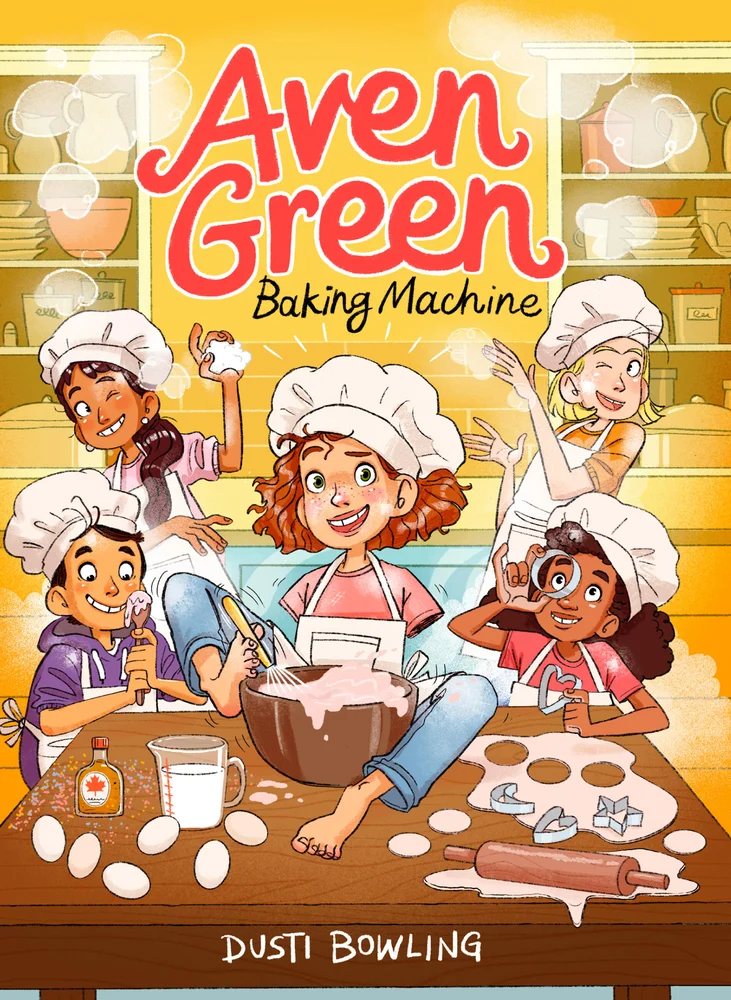
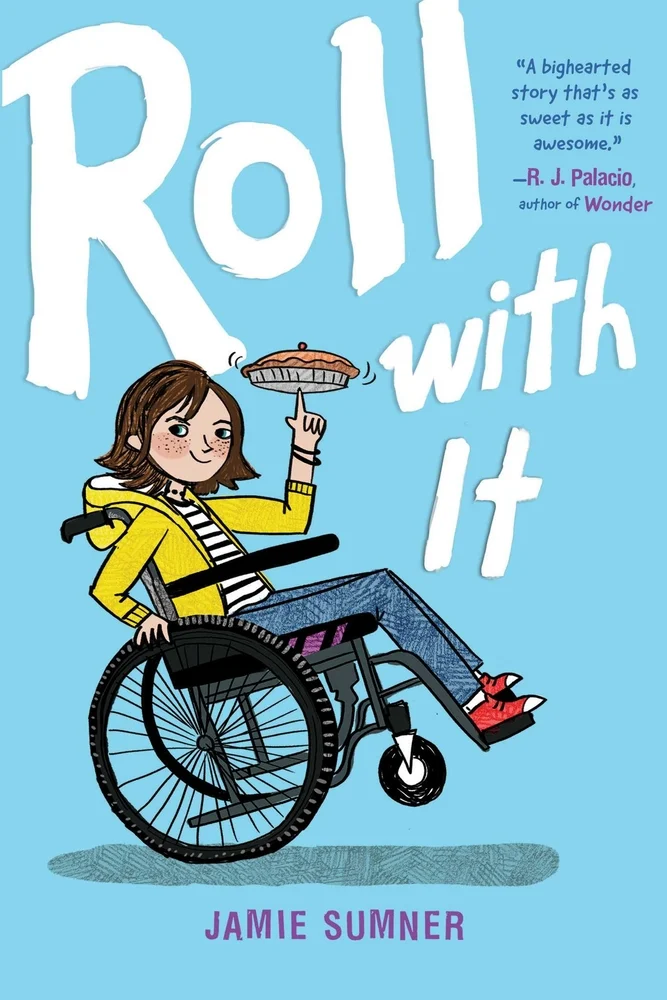
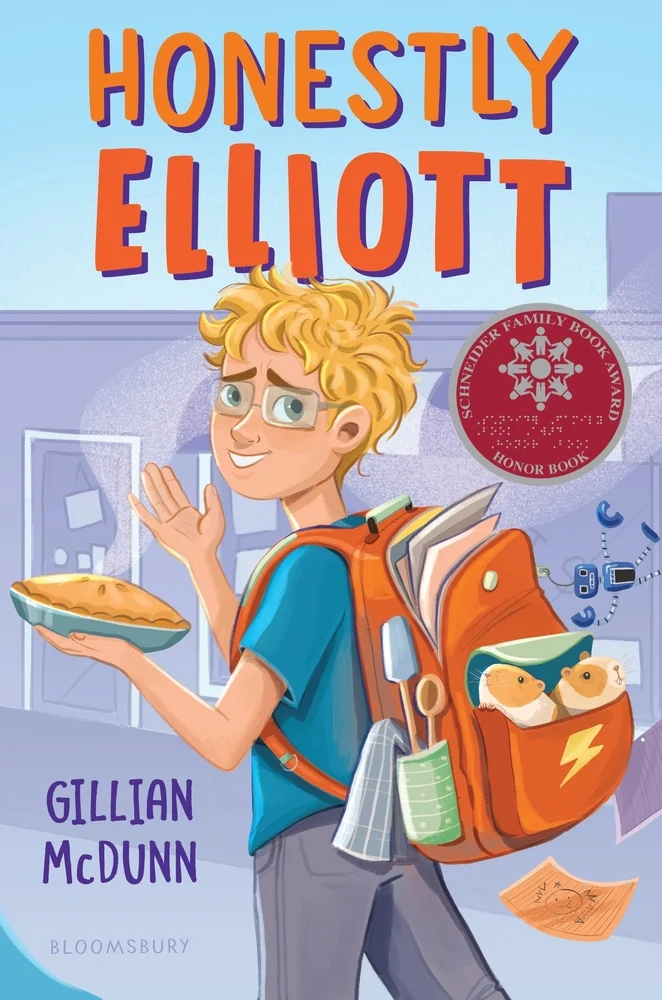
The books under are just a few that Rabinowitz and Tondreau advocate for increasing our lens on incapacity identification.

What would it not appear to be if extra lecture rooms begin to implement these practices? “We might discuss incapacity in a method that isn’t related to disgrace,” Tondreau says. “There are academics and college students who’re making an attempt to cover this a part of themselves as a result of they really feel prefer it’s one thing that’s shameful, and it’s not. I believe if we had been actually doing this work, if we had incapacity sustaining lecture rooms, these academics and college students would really feel absolutely seen and absolutely recognized and really feel like that a part of them is valued.”
Be taught Extra
Tondreau and Rabinowitz now have a complete web site, Sustaining Incapacity Identities, the place you may study extra about easy methods to be a disability-sustaining trainer. Go test it out!
Be a part of our mailing checklist and get weekly suggestions, instruments, and inspiration that can make your educating more practical and enjoyable. You’ll get entry to our members-only library of free downloads, together with 20 Methods to Minimize Your Grading Time in Half, the e-booklet that has helped hundreds of academics save time on grading. Over 50,000 academics have already joined—come on in.

