


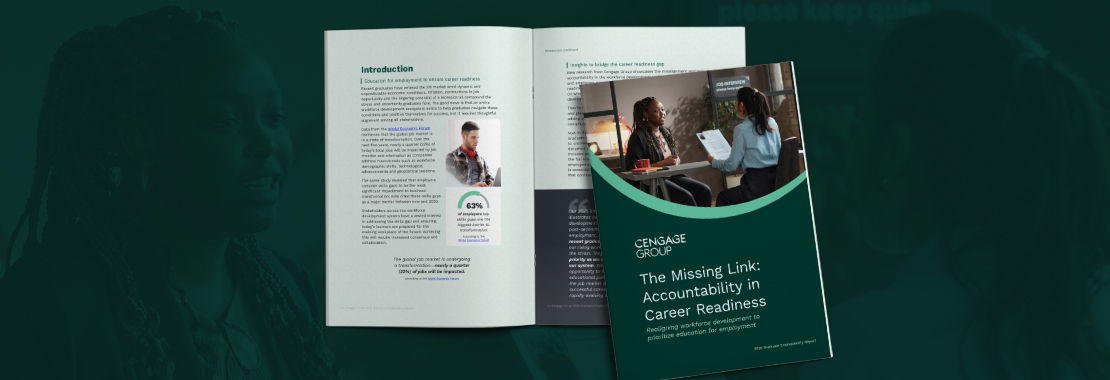
2025 larger ed graduates are navigating a difficult job market, with shrinking job alternatives and mounting diploma necessities ensuing within the tightest entry-level labor market in 5 years.
Now in its fifth yr, our 2025 Employability Report surveyed 865 full-time hiring managers, 971 latest graduates and, for the primary time, 698 post-secondary instructors throughout the U.S, exploring the rising disconnect between educator priorities and employer expectations.
Job market narrows as profession readiness gaps broaden
Fewer graduates are getting their foot within the door in relation to entry-level positions. This yr, 76% of employers are hiring the identical or fewer entry-level staff, a 7% enhance from the earlier yr. On the similar time, diploma necessities are starting to stack up, with 71% p.c of employers now requiring a two- or four-year diploma for entry-level roles, up from 55% in 2024.
Educators’ focus vs. employer wants
There’s additionally a rising hole between educator and employer priorities. Whereas employers are in search of grads with a technical skillset, educators are putting extra concentrate on instructing mushy abilities, like crucial considering and problem-solving.
What different tendencies are we seeing?
- Simply 30% of 2025 graduates have secured full-time jobs associated to their diploma.
- 48% of graduates say they really feel unprepared to even apply for entry-level jobs of their area.
- 56% of unprepared grads cite job-specific abilities as their largest hole — abilities they wanted however didn’t acquire throughout their diploma program.
“The widening profession readiness hole, together with the rising demand for upskilling pushed by technological developments like AI, is creating an pressing must rethink how we equip learners for future employment.” – Michael Hansen, CEO of Cengage Group
Learn the Cengage Group 2025 Graduate Employability Report for added insights into how educators, employers and establishments can work collectively to set as we speak’s graduates up for achievement and shut present profession readiness gaps.

